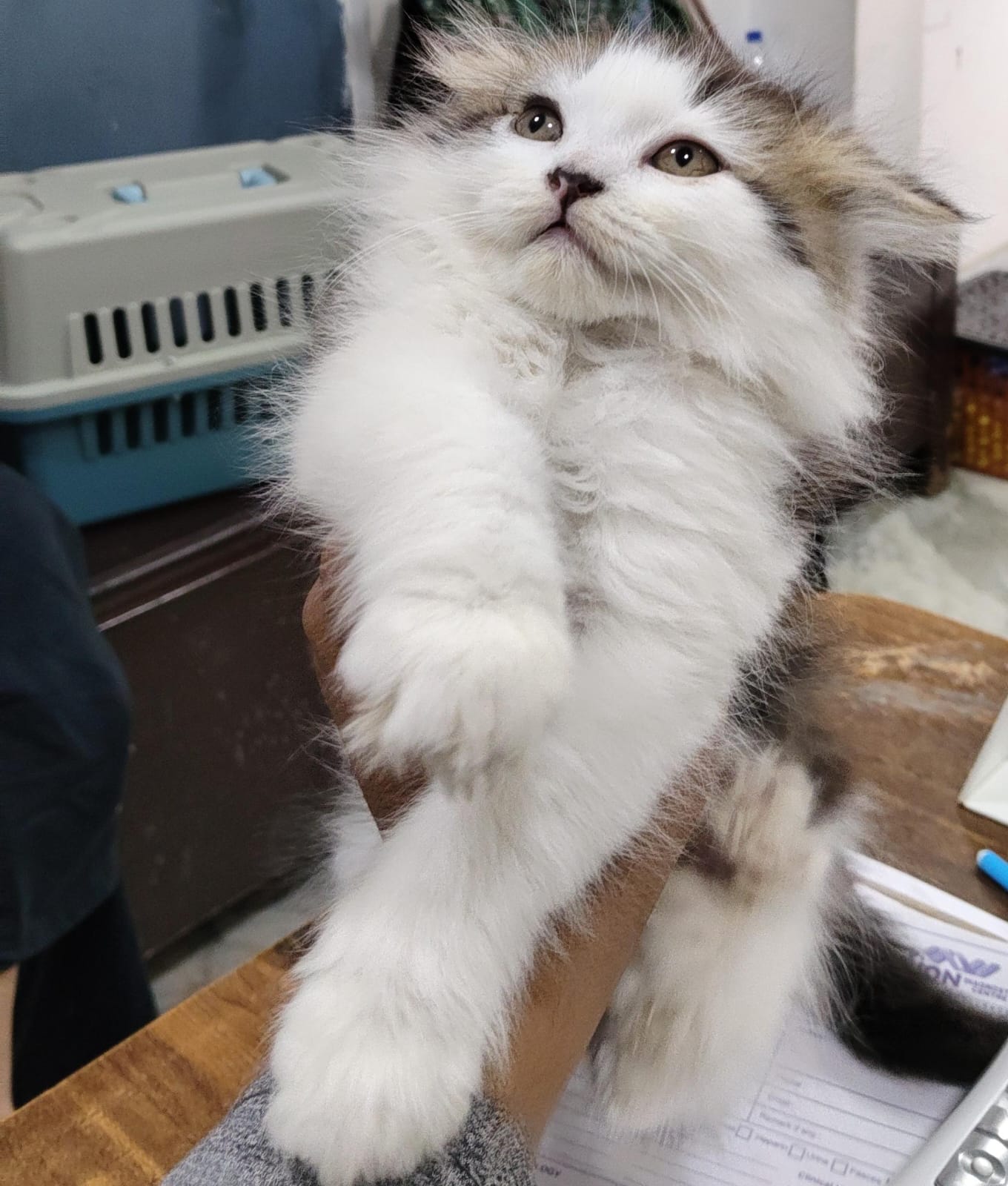
Cat urine blockage
FLUTD in Cats: A Complete Guide for Cat Owners
FLUTD in Cats: Causes, Symptoms, Diagnosis, Treatment, and Prevention
FLUTD in Cats: A Complete Guide for Cat Owners
Feline Lower Urinary Tract Disease (FLUTD) is one of the most common urinary disorders seen in cats. It refers to a group of conditions affecting the urinary bladder and urethra, leading to pain, difficulty urinating, blood in urine, and in severe cases, life-threatening urinary blockage.
At MSW Vet Care Centre, we frequently diagnose and treat FLUTD in cats. Early recognition of symptoms can help prevent serious complications and improve your cat's quality of life.
---
What is FLUTD?
FLUTD stands for Feline Lower Urinary Tract Disease. It is not a single disease but a collection of disorders that affect the bladder and urethra.
The most common causes include:
Male cats are at greater risk of life-threatening urinary obstruction because their urethra is narrower than that of female cats.
---
Causes of FLUTD in Cats
1. Feline Idiopathic Cystitis (FIC)
FIC is the most common cause of FLUTD and accounts for over half of cases.
Characteristics include:
Common triggers include:
---
2. Urinary Stones
Minerals can form stones inside the urinary bladder.
Common stone types:
Struvite Stones
Calcium Oxalate Stones
---
3. Urethral Plugs
A mixture of mucus, inflammatory debris, and crystals can block the urethra.
This is particularly common in male cats and can rapidly become fatal if untreated.
---
4. Urinary Tract Infections
Although less common in young cats, bacterial infections may occur in:
---
5. Bladder Tumors
Rarely, tumors of the urinary bladder can mimic FLUTD symptoms.
---
Symptoms of FLUTD
Watch for the following signs:
---
Signs of Urinary Blockage: A Veterinary Emergency
Seek immediate veterinary attention if your cat:
A blocked cat can develop life-threatening electrolyte imbalances and kidney failure within 24–48 hours.
---
Diagnosis of FLUTD
Proper diagnosis is essential because treatment depends on the underlying cause.
Physical Examination
Your veterinarian will assess:
Urinalysis
Urinalysis helps evaluate:
Urine Culture
Recommended when bacterial infection is suspected.
Blood Tests
Bloodwork may assess:
X-rays
Useful for detecting:
Ultrasound
Ultrasound can identify:
---
Treatment of FLUTD
Treatment varies according to the cause.
Pain Management
Pain control is a critical component of treatment.
Veterinarians may prescribe:
---
Fluid Therapy
Fluid support helps:
---
Treatment of Urinary Obstruction
A blocked cat requires emergency treatment.
Management may include:
---
Management of Urinary Stones
Treatment depends on stone type.
Options include:
---
Treatment of Feline Idiopathic Cystitis
The main goals are:
Because stress plays a major role, long-term lifestyle changes are often more effective than medications alone.
---
Prevention of FLUTD
Many FLUTD cases can be prevented or significantly reduced through proper management.
Increase Water Intake
Encourage drinking by:
---
Feed an Appropriate Diet
Veterinary urinary diets help:
---
Reduce Stress
Important measures include:
---
Maintain Healthy Body Weight
Obesity increases the risk of FLUTD.
Regular exercise and portion control are essential.
---
Litter Box Management
Provide:
---
Prognosis
Most cats recover well with prompt treatment.
However:
---
Frequently Asked Questions (FAQs)
Is FLUTD curable?
Many causes of FLUTD can be successfully managed. Some cats, especially those with idiopathic cystitis, may experience recurrent episodes throughout life.
Can FLUTD kill a cat?
Yes. Urinary obstruction is a life-threatening emergency and can be fatal if not treated promptly.
How can I tell if my cat is blocked?
A blocked cat usually strains repeatedly, produces little or no urine, becomes lethargic, and may vomit.
Does dry food cause FLUTD?
Dry food alone does not directly cause FLUTD, but cats eating only dry food often consume less water, increasing urinary risk.
Can stress cause FLUTD?
Yes. Stress is a major trigger for feline idiopathic cystitis, the most common form of FLUTD.
How can I prevent recurrence?
---
When to Contact Your Veterinarian
Contact your veterinarian immediately if your cat:
Early treatment can prevent serious complications and save your cat's life.
---
About MSW Vet Care Centre
At MSW Vet Care Centre, we provide advanced diagnosis and treatment for feline urinary disorders, including FLUTD, urethral obstruction, bladder stones, urinary tract infections, and chronic urinary disease. If your cat shows any signs of urinary discomfort, schedule a consultation as soon as possible.![alt]()
Book an Appointment
Have questions about your pet's health? Our expert team at MSW Vet Care is here to help.
Call Now